Your cart is empty
Start shopping to add items to your cart

Florida is ground zero for a generation-defining shift. Three competitive congressional seats, a redistricting fight, and a Senate seat could all flip the state's trajectory.
November 3, 2026
October 6, 2026
Florida passed SB 7050 in 2023—the most aggressive voter suppression law in the country. It restricts voter registration drives, adds new ID requirements for mail ballots, limits drop boxes, and makes it a felony to help someone return their ballot. They're literally making it harder for you to vote and hoping you won't notice.
Notice.
Florida has been trending Republican for years. The state that was famous for being the ultimate swing state—2000 Bush v. Gore, remember?—has become a Republican stronghold. Governor, both U.S. Senate seats, both chambers of the state legislature, the state Supreme Court—all red. But in 2026, the governor's mansion is open, a Senate seat is up, and there are competitive congressional seats that could determine the House majority.
The question isn't whether Florida matters. It does. The question is whether the people who've been disenfranchised by SB 7050 will show up anyway and prove that you can't suppress a democracy that refuses to stay home.
"They made it harder to register. They made it harder to vote by mail. They made it a felony to hand someone their ballot. If that doesn't make you angry enough to vote, nothing will."
Primary Election: August 18, 2026
General Election: November 3, 2026
Voter Registration Deadline: October 6, 2026
Early Voting: October 19–31, 2026 (varies by county)
Florida doesn't have same-day registration. Miss October 6 and you're done. The state also requires your signature on your mail ballot envelope to match the signature on your voter registration—if you've changed your signature and haven't updated it, your ballot gets tossed. Update your signature at your county Supervisor of Elections office before you request a mail ballot.
Three things make Florida critical in 2026:
1. The Senate seat. Florida's Senate race could determine control of the upper chamber. In a 50-50 Senate, one seat is the majority. This is one of the races that could flip it.
2. The House map. Florida has 28 congressional seats. Three or four are genuinely competitive. In a tight House, those seats could be the difference between a Republican Speaker and a Democratic one.
3. The governor's mansion is open. For the first time since 2018, the governor's race is open. The governor of Florida controls the state budget, appoints judges, oversees elections administration, and has veto power over the legislature. It's one of the most powerful governorships in the country.
And then there's SB 7050. This law didn't just make voting harder—it was designed to make you give up. Registration drives are now restricted. Mail ballot drop boxes are limited. And if you help someone return their ballot, you could face felony charges. The message is clear: they'd rather you stay home. Prove them wrong.
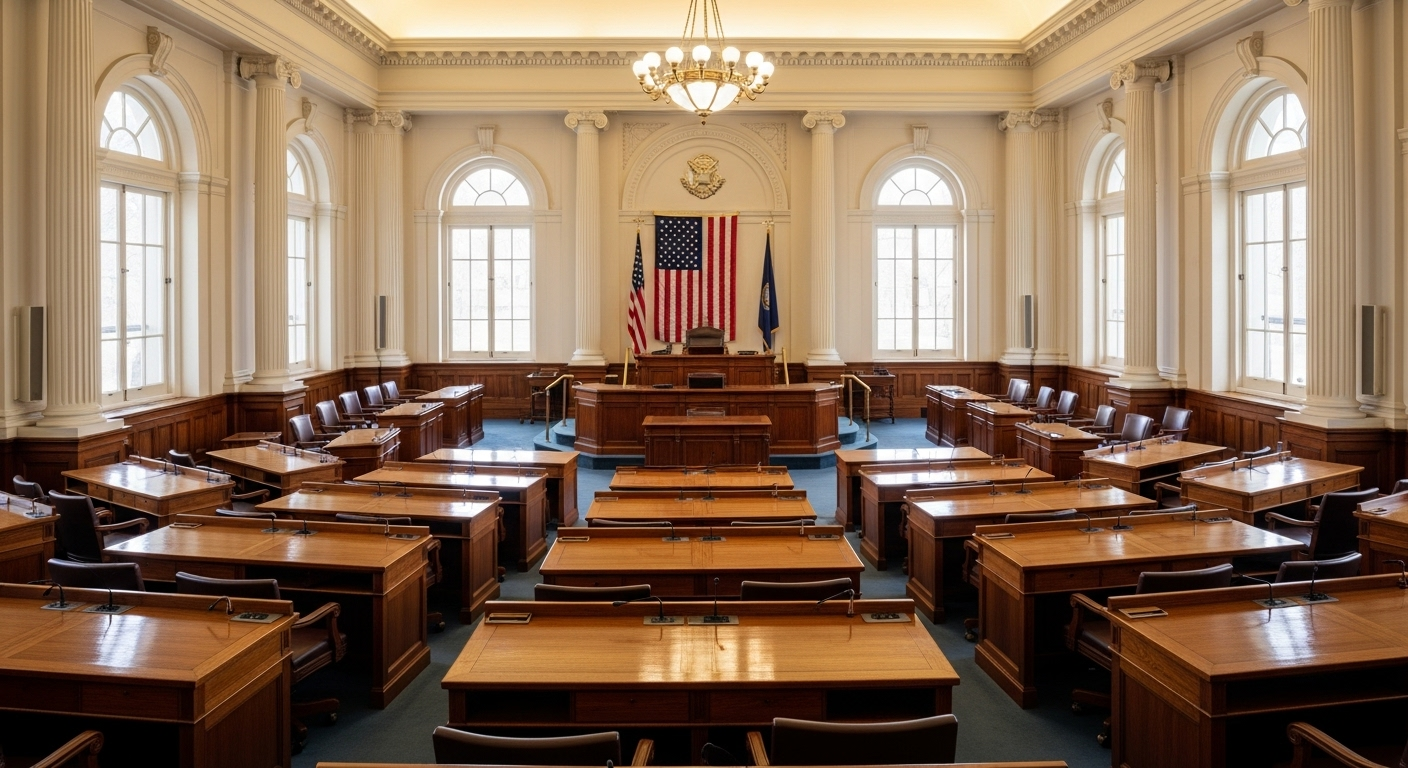
Florida's Senate seat is one of the most expensive races in the country every cycle. 2026 will be no different. The incumbent is a Republican in a state that's been trending red—but the open governor's race could drive turnout in ways that make this competitive.
The Senate is nearly 50-50. One seat. That's the margin. If this seat flips, the majority flips with it.
Florida's congressional map was redrawn in 2022 in a way that favored Republicans—no surprise, since Republicans control the legislature and governor's office. But even with gerrymandered maps, a few districts are competitive, particularly in the Orlando suburbs, the Tampa Bay area, and South Florida.
In a House decided by a few seats nationally, 2 or 3 Florida districts could be the difference between a Republican and Democratic majority.
The governor's mansion is open. That means no incumbent, no advantage, and a free-for-all on both sides. Florida's governor has enormous power—control of the state budget, appointment power over judges and agency heads, veto authority, and the ability to shape the state's response to hurricanes, immigration, and education policy.
This race will be one of the most expensive governor's races in American history. Get ready for the ads.
Florida is one of the few states where Supreme Court justices face retention votes. Three justices are up in 2026. These retention votes are usually sleepy, low-turnout affairs—which means a small number of engaged voters can determine the ideological balance of the court. The Florida Supreme Court rules on redistricting, voting rights, abortion access, and executive power. Don't skip these votes.
Half of the 40 state Senate seats are up, along with the Attorney General and Chief Financial Officer. The legislature controls redistricting, the state budget, and voting laws. The Attorney General enforces—or doesn't enforce—the state's voter suppression laws. Who you elect to AG determines whether SB 7050 is enforced aggressively or challenged.
Florida voter action plan—despite SB 7050:
1. Register by October 6, 2026. Go to registertovoteflorida.gov. Online registration takes 5 minutes. No same-day registration in Florida—miss the deadline and you're invisible.
2. Request your mail ballot early. Florida has no-excuse mail voting, but SB 7050 added new ID requirements and limited drop boxes. Request your ballot as soon as possible. Return it immediately—don't wait until the last week. Use an official drop box at your county Supervisor of Elections office if you can.
3. Vote early in person. October 19–31 (dates vary by county). Early voting sites have shorter lines and more flexible hours. Find your site at your county Supervisor of Elections website.
4. Update your signature. If you vote by mail, your signature must match your voter registration. Signatures change over time. Update it at your county Supervisor of Elections office before requesting your ballot.
5. Research your full ballot. Pull a sample ballot from your county Supervisor of Elections website. Pay attention to the Supreme Court retention votes and the Attorney General race—these are the offices that determine whether voter suppression laws stay or go.
6. Help others register—carefully. SB 7050 made it harder to run registration drives. But it didn't make it impossible. Help your friends and family register online. Just don't collect forms in bulk without following the new rules—they'll use any excuse to throw out registrations.
"They wrote a law to stop you from voting. The most powerful protest against that law is a ballot cast anyway. Show up. Make them count it."
Florida in 2026 is ground zero for a generational shift. A Senate seat that could flip the chamber. An open governor's mansion. Competitive House seats. Three Supreme Court retention votes. And a voter suppression law designed to keep you home.
They're counting on you to give up. Don't. Register by October 6. Request your mail ballot. Vote early. Research every race. And bring three people with you who wouldn't have voted otherwise.
Florida's future—and the balance of power in Washington—depends on who shows up.
Show up or shut up. Florida is counting on you.
The registration deadline is October 6, 2026. Don't wait — check your registration status and get registered today.
These books will help you understand the issues, the candidates, and why your vote in Florida matters more than ever. We earn a small commission if you buy through these links — at no extra cost to you.
Election Day in Florida is November 3, 2026. Polls are open statewide, and many counties offer early voting and absentee ballots before that date — check with your county election office for the early voting window.
The registration deadline in Florida is October 6, 2026. Miss it and you cannot vote in this election, no exceptions. Online registration is available and takes about five minutes.
Non-strict photo ID. Accepts: FL driver's license, state ID, passport, military ID, student ID, tribal ID. If no ID, vote provisional ballot. Bring your ID even if your state does not strictly require one — it removes any argument at the polling place.
Florida voters decide U.S. Senate (held by GOP), U.S. House (all 28 seats), Governor (open seat), Attorney General, Chief Financial Officer, State Supreme Court (3 retention votes) and State Senate (half of 40). Local offices and ballot measures vary by county, so check your sample ballot before you go.
Look yourself up in Florida's official voter registration database — it takes about 60 seconds and needs your name and date of birth. Do not assume you are still registered: moving, a name change, or a purge can drop you from the rolls without notice. Our free registration checker links directly to every state's official lookup tool.
Deadlines move. Confirm anything time-sensitive withyour state's official lookup tool.
This Florida election guide is 100% free — no paywall, no account, and we never sell your data. If it helped you, chip in $5 to keep it running for the next voter.