

Your cart is empty
Start shopping to add items to your cart

A State-by-State Guide That Takes 90 Seconds
Mike Waxman
Conservative Contributor
If you don't know whether you're registered to vote, you're not registered. That's not being mean. That's being realistic. Voter rolls get purged. Addresses change. Names change. States cross-reference databases and drop voters who haven't showed up recently. And almost none of them send you a courtesy text saying "hey, we deleted you."
So if you registered three years ago and haven't checked since? You might be registered. You might not. The only way to know is to look.
This guide takes 90 seconds. Literally. Open a new tab, follow the instructions, and know for sure. Then bookmark it and check again in October, because rolls get purged right before elections. That's not a coincidence. That's a strategy.
"Checking your registration takes less time than ordering a coffee. If you can't spare 90 seconds for democracy, you don't get to complain about what happens after Election Day."
You don't need to know your state's specific website. You don't need to dig through government portals. Here's the fastest way to check, no matter where you live:
1. Go to Vote.org/registration-status — This is the single best tool for checking your registration nationwide. Enter your name, address, and date of birth. It checks your state's database directly. Takes 60 seconds.
2. If Vote.org can't find you, go to your state's Secretary of State website. Every state has a voter registration lookup tool. Google "[your state] Secretary of State voter registration lookup." It'll be the first result. Enter your info and confirm.
3. If you're not registered, register right now. Same websites let you register. Vote.org will walk you through it. Some states let you register entirely online. Others make you print and mail a form. Either way, do it today. Not next week. Not "before the deadline." Today. Because deadlines sneak up and then you're standing outside a polling place with your thumb in your ear.
You checked. You're not registered. Or you're registered but something's wrong. Here are the five most common reasons and exactly how to fix each one:
Problem 1: You moved.
This is the #1 reason people show up at the wrong polling place and get turned away. When you move—even across town, even within the same state—you need to re-register at your new address. Your old registration doesn't follow you. Some states let you update online. Others require a new form. Do it immediately after moving. Don't wait until October.
Problem 2: You moved to a different state.
Moving to a new state means starting from scratch. Your old state's registration is useless. You must register in your new state. And some states have residency requirements—you need to have lived there for 30 days before you can register. Check your new state's rules at Vote.org and register the day you're eligible.
Problem 3: You changed your name.
Got married? Divorced? Legally changed your name? Your voter registration is still under your old name. If the name on your ID doesn't match the name on the voter roll, you could have problems at the polling place. Update your registration to match your current legal name. Most states let you do this online.
Problem 4: You were purged from the rolls.
States regularly "clean" their voter rolls. They remove people who've died, moved, or haven't voted in a while. The problem? The process is sloppy. In 2017, Georgia purged 534,000 voters—many of them still eligible. In 2019, Wisconsin purged 232,000. You might be one of them. If you haven't voted in the last two elections, check your registration immediately. You might have been "cleaned."
Problem 5: You have a felony conviction.
This one is complicated because every state has different rules. But here's the good news: in most states, you can vote again. In 21 states plus D.C., your rights are automatically restored after you complete your sentence. In 16 more states, rights are restored after prison + parole + probation. That leaves only a handful of states where a felony permanently revokes voting rights—and even those are changing.
Two states worth calling out specifically:
Florida: Amendment 4 passed in 2018, restoring voting rights to most people with felony convictions who've completed their sentence. But the legislature added a requirement that all fines and fees must be paid first—which is a mess, because the state doesn't even have a system to tell you what you owe. If you have a felony record in Florida, check with the Florida Rights Restoration Coalition. They can help you figure out your eligibility.
Iowa: Governor Reynolds signed an executive order in 2020 restoring voting rights to people with felony convictions. If you've completed your sentence (including probation), you can register and vote. Check the Iowa Secretary of State website to confirm your eligibility.
The bottom line on felonies: don't assume you can't vote. Check. You might be eligible and not know it.
Checking once isn't enough. Voter rolls change constantly. Here's the schedule:
Set a phone reminder. Right now. "Check voter registration." Set it for September 15 and October 1. It takes 90 seconds each time. That's 4.5 minutes total across the entire election cycle to make sure you're not invisible on Election Day.
"The people who get purged from voter rolls are the people who don't check. The people who don't check are the people who show up on Election Day and find out they don't exist. Don't be that person."
Checking your voter registration is the easiest thing you can do for democracy. It takes 90 seconds. You don't need a stamp, a notary, or a blood sample. You need your name, your address, and a phone or computer.
If you don't know whether you're registered, check now. If you know you're registered, check anyway—because the state might not agree with you. If something's wrong, fix it before October. And set a reminder to check again, because voter rolls change and nobody sends you a memo when you get dropped.
Ninety seconds. That's the difference between voting and standing outside a polling place with your mouth open wondering what happened. Check it now. Check it again in October.
Show up or shut up.
Show Up or Shut Up — the uniform for people who actually participate.
Shop the GearJoin our newsletter for weekly culture war updates, conservative commentary, and truth bombs the woke mob doesn't want you to see.
Want to go deeper? These books cover the ideas behind this article. We earn a small commission if you buy through these links — at no extra cost to you.

First time voter? How to avoid looking clueless at the polls. No awkward mistakes, no voter fraud drama, no embarrassment, just results.
First time voting? It’s not as scary as it looks—but there are a few things they don’t teach you in school. From what to bring to what NOT to bring, here’s your no-BS survival guide for election day.
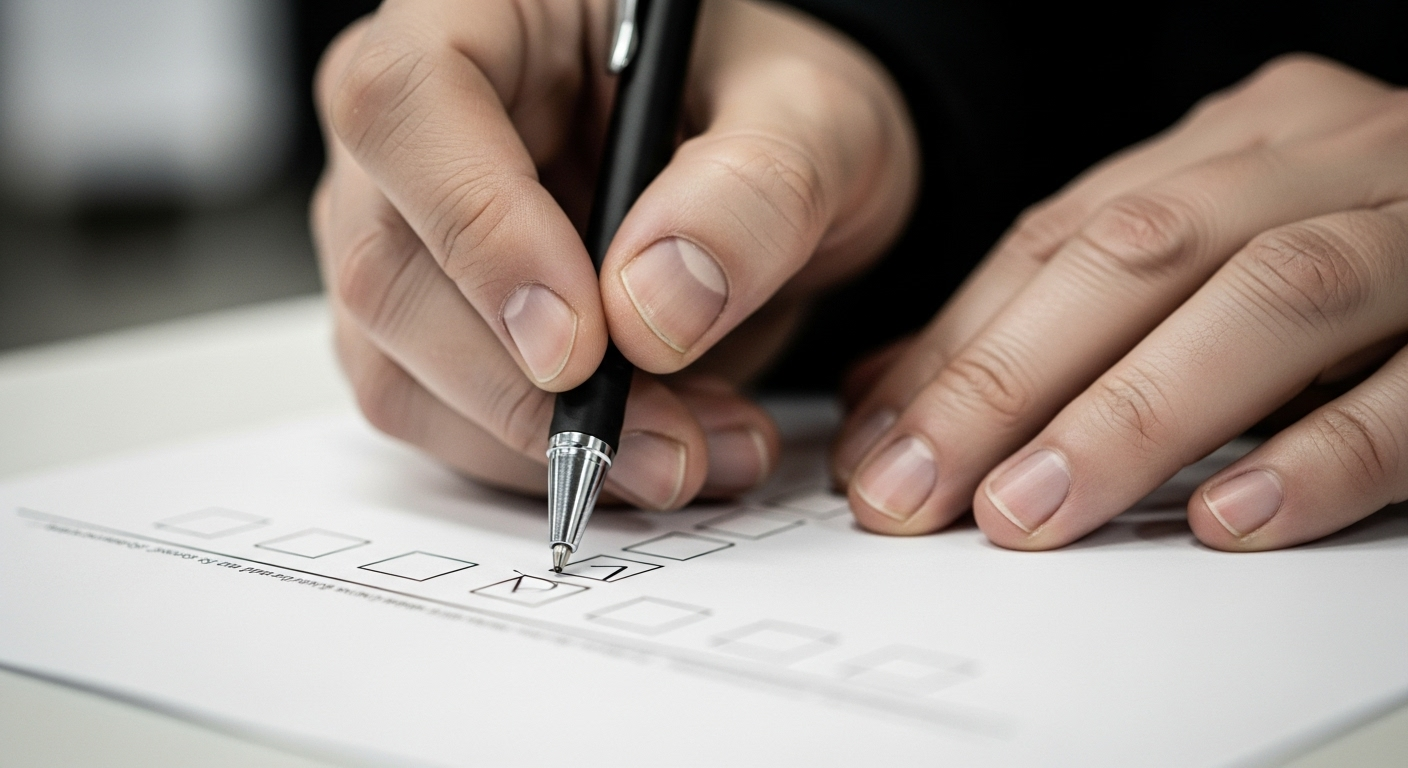
Some states need photo ID. Some accept utility bills. Some accept nothing and you walk in. Show up on Election Day with the wrong documents and you might as well not have come. Here's the cheat sheet.
Make a statement at the polls. Every purchase funds more voter guides and tools like this one.
Shop the Cause →Get the exact deadlines, ID rules, and key races for the state where you\'re registered to vote.
See All 50 StatesYou can check your voter registration status online through your state's Secretary of State website, or by using our free Check Registration tool at showuporshutup.org/tools/check-registration. The process takes about 60 seconds and requires your name, date of birth, and zip code.
Check your registration at least once per year, especially before any election. Many states purge voter rolls during odd-numbered years, and moves (even within the same state) can affect your registration.
You typically need your full legal name, date of birth, and the address where you are registered to vote. Some states also ask for the last 4 digits of your Social Security number.
In most states, you can still vote if your registration is marked inactive — you may need to cast a provisional ballot or update your registration at the polls. Rules vary by state.
You need to register to vote in your new state. Each state has its own registration deadline, typically 15-30 days before the election. You cannot vote in two states in the same election.