

Your cart is empty
Start shopping to add items to your cart
Salt Typhoon, Volt Typhoon, and Why Your Vote Matters for National Security
Alex Chen
Conservative Contributor
While you were arguing about TikTok dances and whether your favorite influencer got cancelled, Chinese state-sponsored hackers were inside America's telecommunications networks. Not hypothetically. Not "could happen someday." Right now. Already done.
In late 2024, US intelligence agencies confirmed that a Chinese hacking group called Salt Typhoon had breached at least nine major telecommunications companies—including AT&T, Verizon, and T-Mobile. They accessed wiretap systems. They intercepted calls. They read text messages of targeted individuals, including government officials.
This isn't a spy movie. This is actual espionage happening on American soil, through American networks, affecting American citizens. And the elected officials you choose will determine how seriously we respond.
"China represents the most comprehensive military and cyber threat to the United States homeland." — 2025 ODNI Threat Assessment
Let's break down what Salt Typhoon actually did, because this isn't getting nearly enough attention:
1. Breached major US telecom providers. We're talking the companies that carry your phone calls, texts, and internet traffic. AT&T. Verizon. T-Mobile. Lumen. Nine confirmed companies total.
2. Accessed lawful intercept systems. These are the systems law enforcement uses for court-authorized wiretaps. Chinese hackers got into them. They could see who was being surveilled. They could intercept those communications themselves.
3. Targeted government officials. Members of Congress, campaign staffers, people in the national security apparatus. Their calls and texts were potentially compromised.
4. Stayed hidden for months. This wasn't detected quickly. The hackers had persistent access, meaning they could come and go as they pleased, extracting whatever data they wanted.
The implications are staggering. If China can see who the FBI is investigating, they can warn their spies. If they can read government officials' texts, they can blackmail or manipulate them. If they can access telecom infrastructure at will, they can disrupt it at will.
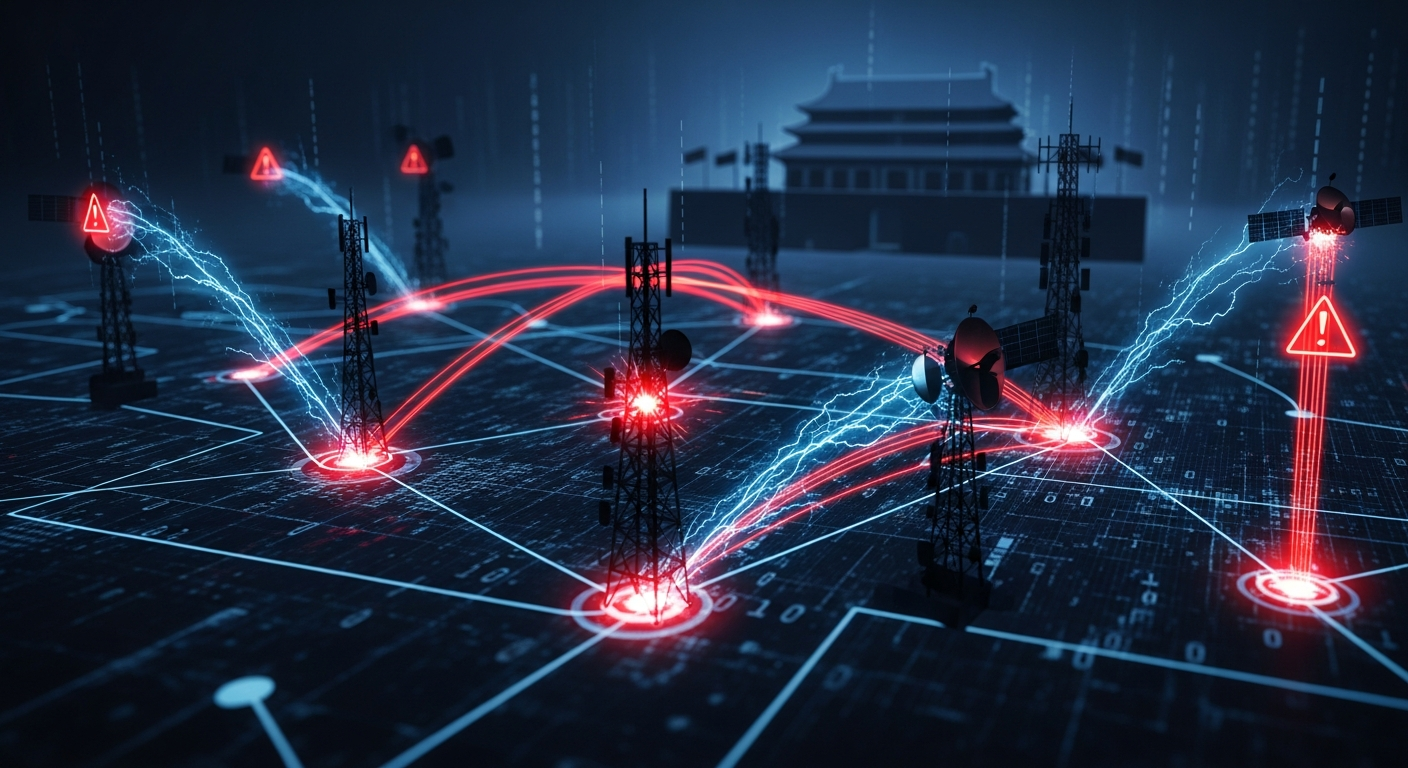
If Salt Typhoon is about espionage, Volt Typhoon is about destruction.
While Salt Typhoon focused on telecommunications, another Chinese hacking group—Volt Typhoon—has been burrowing into America's critical infrastructure. Power grids. Water systems. Transportation networks. The systems that keep society running.
According to the Department of Defense and CISA, Volt Typhoon isn't there to steal information. They're pre-positioning themselves for sabotage. If a conflict breaks out—say, over Taiwan—they want the ability to flip switches and cause chaos on American soil.
Imagine a scenario where China invades Taiwan. The US responds militarily. And suddenly:
• Power goes out in major cities on the West Coast
• Water treatment plants malfunction
• Ports and logistics systems get scrambled
• Military communications are disrupted
This isn't science fiction. It's the explicit strategy that US intelligence agencies have warned about. And Volt Typhoon has been laying the groundwork for exactly this kind of attack.
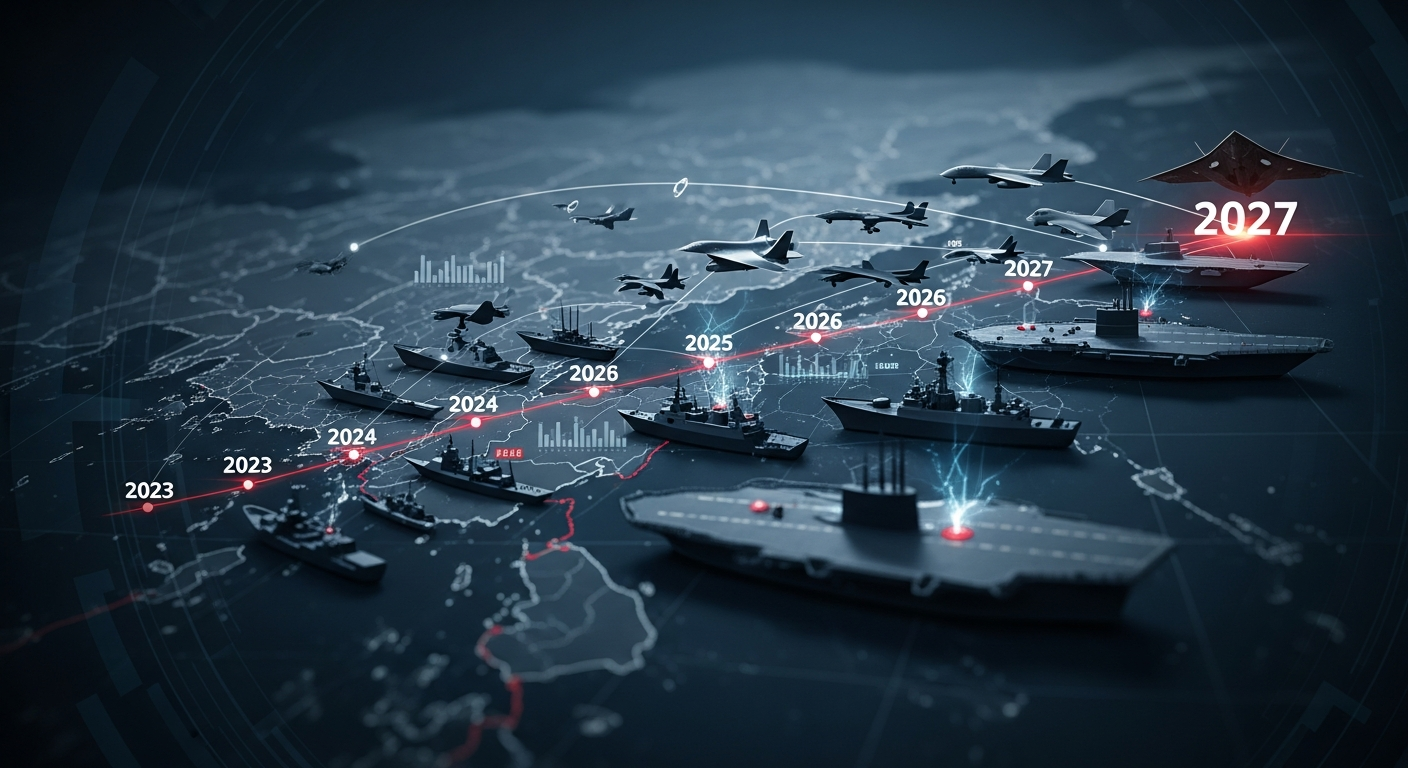
Here's what most people don't know: the Pentagon believes China is preparing for military action against Taiwan by 2027.
The 2025 China Military Power Report from the Department of Defense is explicit about this. China's military—the People's Liberation Army—is modernizing at an unprecedented pace. Their goal? To have the capability to invade and annex Taiwan within the next few years.
This matters because Taiwan isn't just some random island. It produces over 90% of the world's most advanced semiconductors—the chips that power your phone, your car, medical devices, and military equipment. If China controls Taiwan, they control the global chip supply. That's economic leverage over the entire planet.
And if the US responds to a Taiwan invasion, China has already demonstrated they're prepared to hit back—not just militarily, but through cyberattacks on our infrastructure. Volt Typhoon is the preparation phase.
So what does this have to do with voting? Everything.
The officials you elect—from President to Congress to even state-level positions—determine:
1. Defense spending priorities. Do we invest in cybersecurity, or do we cut the budget? Do we modernize our military to deter China, or do we assume conflict won't happen?
2. Technology policy. Who controls semiconductor manufacturing? Do we onshore chip production or remain dependent on Taiwan? What export controls do we place on critical technology?
3. China trade relations. Do we maintain economic ties with a country actively preparing to attack us, or do we decouple from their supply chains? What price are we willing to pay for cheap goods?
4. Intelligence and surveillance reform. How do we harden our telecommunications systems? What accountability exists when telecom companies get hacked? Who's responsible for defending critical infrastructure?
5. Alliance management. Do we strengthen relationships with allies like Japan, Australia, and South Korea to deter China? Or do we go it alone?
These aren't abstract policy debates. They're decisions that will determine whether the US is prepared for what's coming—or whether we're caught flat-footed when China makes its move.
"The question isn't whether China will challenge American power. The question is whether we'll be ready when they do."
Here's the uncomfortable truth: most voters don't think about national security when they vote. They think about gas prices, inflation, abortion, immigration. Those issues matter too. But China isn't waiting for you to prioritize them.
The 2026 midterms will determine the makeup of Congress. That Congress will pass—or block—defense authorization bills, cybersecurity legislation, technology export controls, and Taiwan support measures. The Senate you elect will confirm—or reject—the officials who run the Pentagon, CIA, and NSA.
In 2024, Salt Typhoon happened under our watch. In 2025 and 2026, the question is: what do we do about it? The answer depends entirely on who you elect.
Candidates who understand the China threat will prioritize:
• Cybersecurity hardening of critical infrastructure
• Military modernization to maintain deterrence
• Technology independence from Chinese supply chains
• Strong alliances with Pacific partners
• Accountability for companies that fail to secure networks
Candidates who don't understand the threat will focus on other things. They'll cut defense budgets. They'll prioritize trade over security. They'll assume the status quo is sustainable. And they'll be wrong.
This isn't about left vs. right. It's about paying attention to a genuine national security threat that both parties have historically underestimated. Here's your action plan:
1. Educate yourself. Read the 2025 ODNI Threat Assessment. Look up Salt Typhoon and Volt Typhoon. Understand what's actually happening, not just the headlines.
2. Research your candidates. What's their position on China? Do they even have one? Have they supported defense spending? Do they understand cybersecurity? Ask specific questions.
3. Vote in 2026. Primaries matter. General elections matter. Congressional races matter. Don't skip it because "it's just a midterm."
4. Talk about it. Your friends probably don't know about Salt Typhoon. Share this article. Discuss it. Make national security part of the conversation.
5. Demand accountability. When telecom companies get hacked, there should be consequences. When infrastructure is vulnerable, someone should fix it. Pressure your elected officials to take this seriously.
China's cyberwar against America isn't coming. It's already here. Salt Typhoon compromised our telecommunications. Volt Typhoon is lurking in our infrastructure. The PLA is preparing for potential conflict over Taiwan. And the clock is ticking toward 2027.
The officials you elect will determine whether America responds with strength or stumbles into crisis. Whether we harden our defenses or leave them vulnerable. Whether we deter conflict or invite it.
So yeah, this matters. More than most people realize. Your vote in 2026 is a national security decision. Choose candidates who understand the threat. Hold them accountable for results. And stop pretending this isn't happening.
Show up or shut up. The stakes couldn't be higher.
Show Up or Shut Up — the uniform for people who actually participate.
Shop the GearJoin our newsletter for weekly culture war updates, conservative commentary, and truth bombs the woke mob doesn't want you to see.
Want to go deeper? These books cover the ideas behind this article. We earn a small commission if you buy through these links — at no extra cost to you.
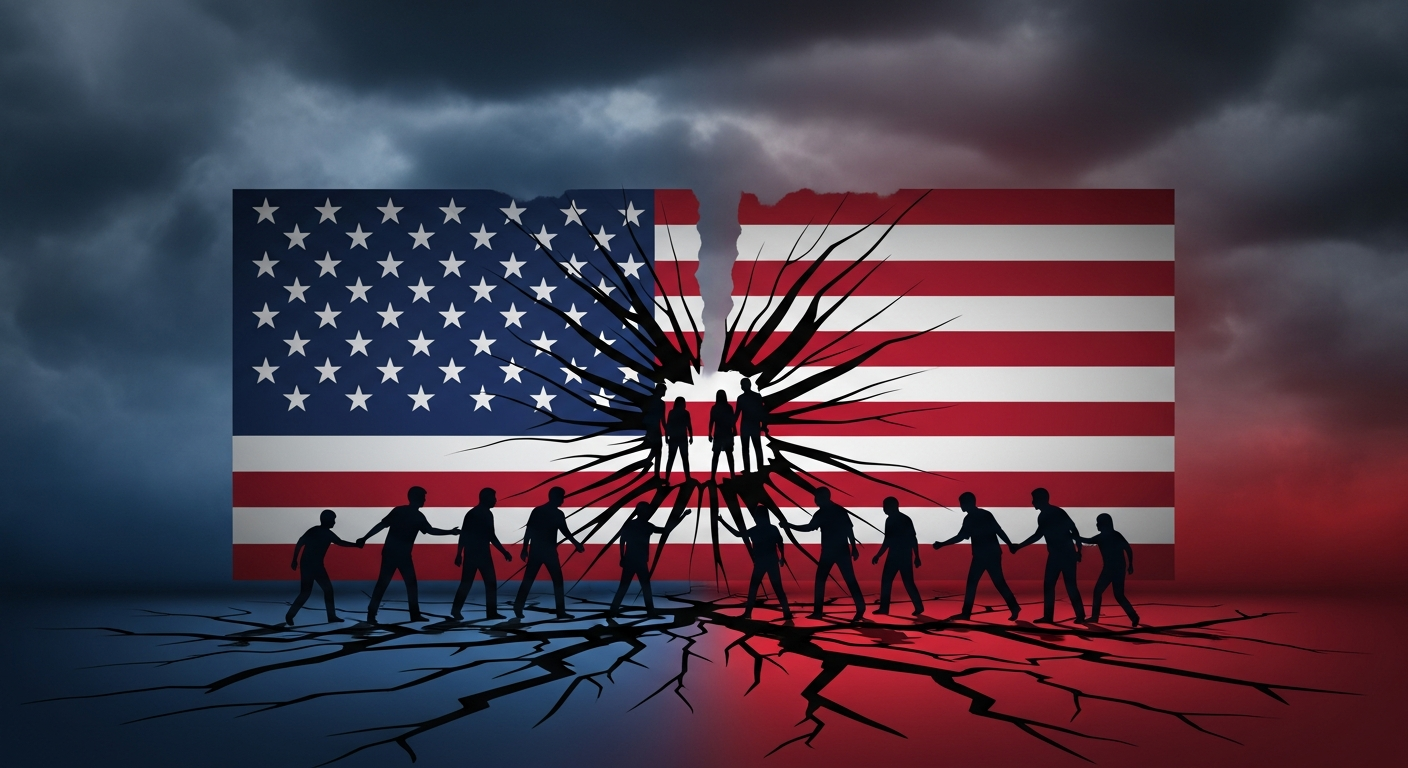
We hate each other more than we hate our enemies. 74% of Americans feel the country is splitting apart. Our division is China's greatest strategic advantage.
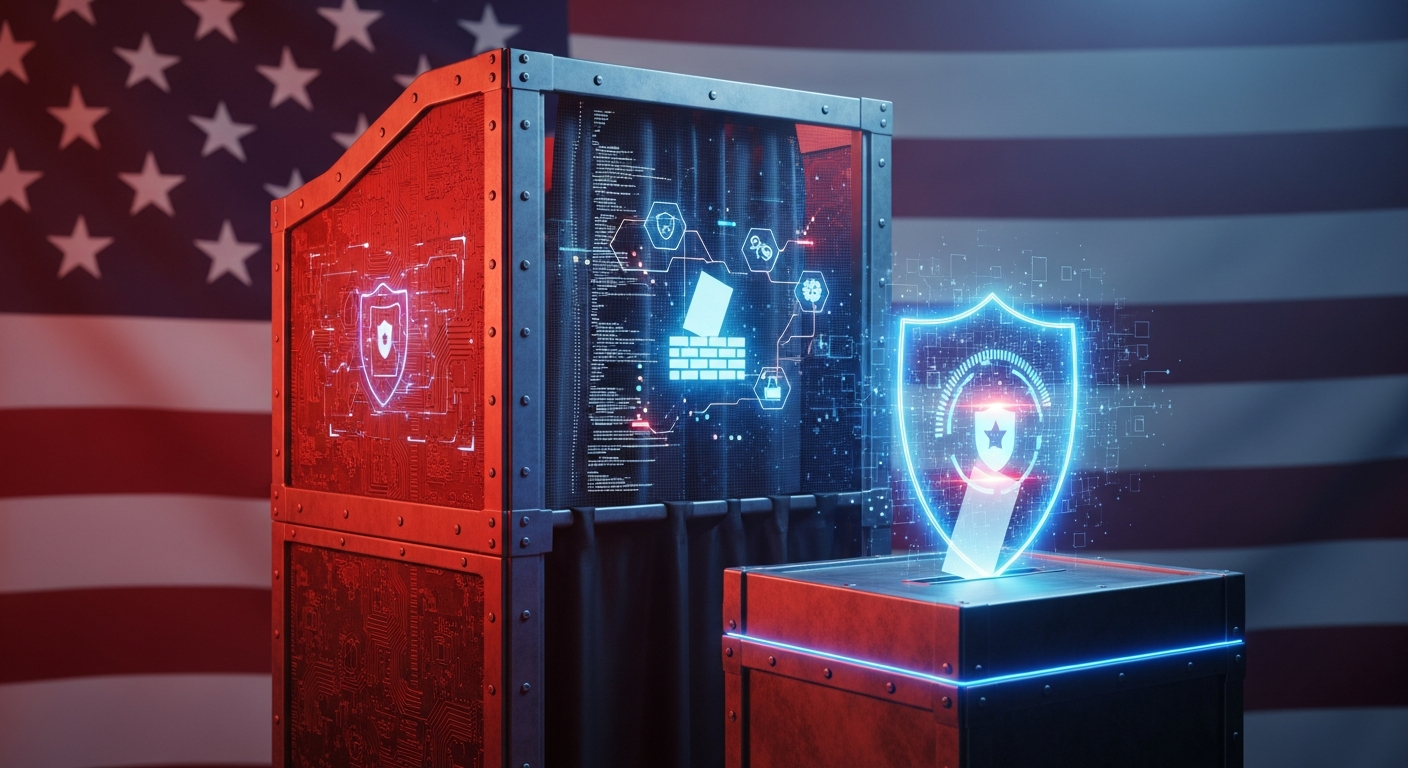
Congressional elections aren't just about domestic policy. Officials you elect will shape defense spending, China policy, and cybersecurity for years to come.
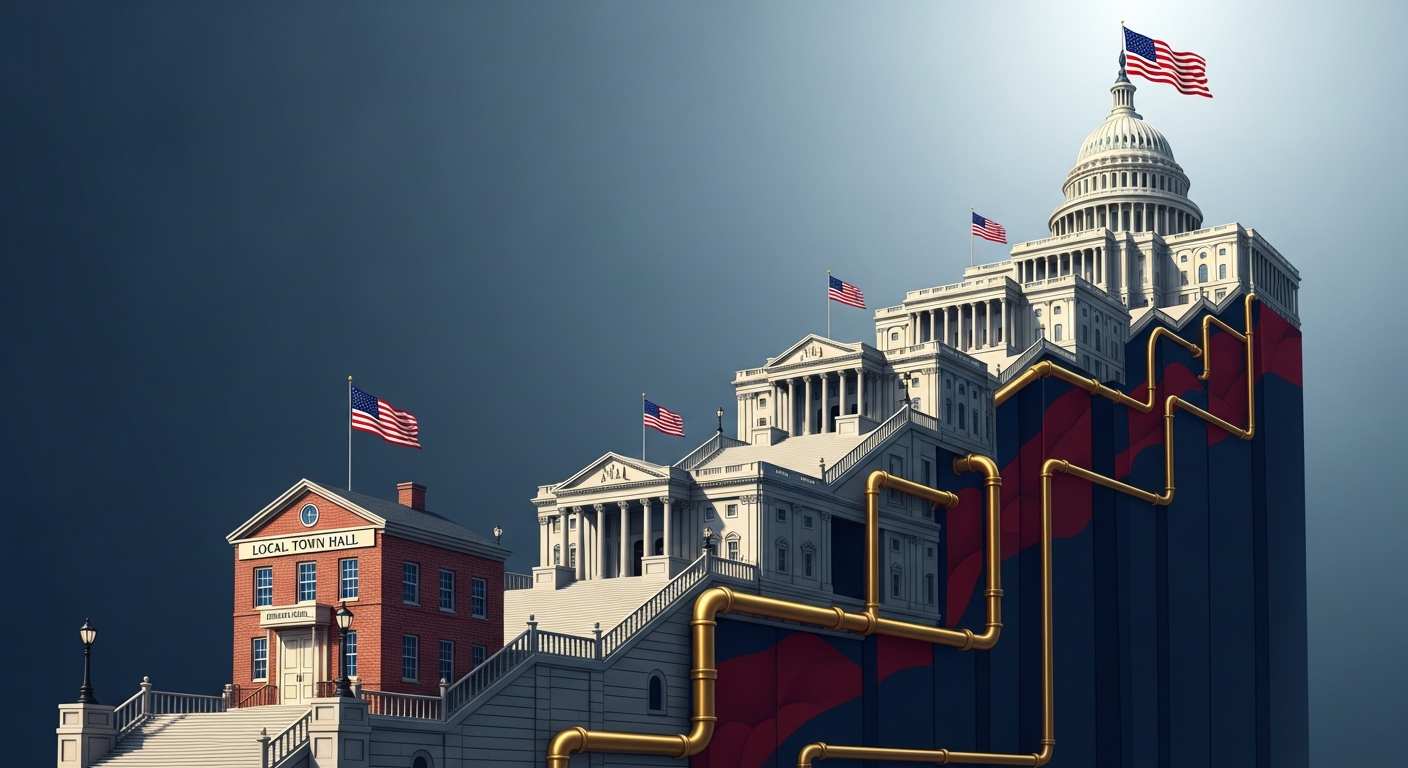
Future presidents and senators start as local officials. State governments control elections and your city council vote today shapes who runs the country.
Make a statement at the polls. Every purchase funds more voter guides and tools like this one.
Shop the Cause →Get the exact deadlines, ID rules, and key races for the state where you\'re registered to vote.
See All 50 StatesChinese state-sponsored hacking groups have breached U.S. telecom companies, government agencies, critical infrastructure, and defense contractors. The 2025 Salt Typhoon breach compromised major telecom networks, giving access to communications data from hundreds of thousands of Americans.
Yes — Congress passes cybersecurity legislation, funds CISA (Cybersecurity and Infrastructure Security Agency), and oversees how the executive branch responds to foreign cyber threats. The President appoints officials who set strategy. Your vote determines who makes these decisions.
The President sets foreign policy and military strategy. The Senate confirms national security appointments. The House controls defense appropriations. A change in any of these can shift how aggressively the U.S. responds to foreign threats, supports allies, and invests in defense and cybersecurity.
Absolutely. Congress declares war, funds the military, oversees intelligence agencies, and passes laws on sanctions, export controls, and technology policy. The Foreign Intelligence Surveillance Act (FISA), which regulates domestic surveillance, is a congressional responsibility.
Ask: What's your plan to strengthen critical infrastructure against foreign cyberattacks? Do you support increased funding for CISA? How would you hold foreign adversaries accountable for cyber intrusions? What are your views on data privacy and tech export controls?