

Your cart is empty
Start shopping to add items to your cart
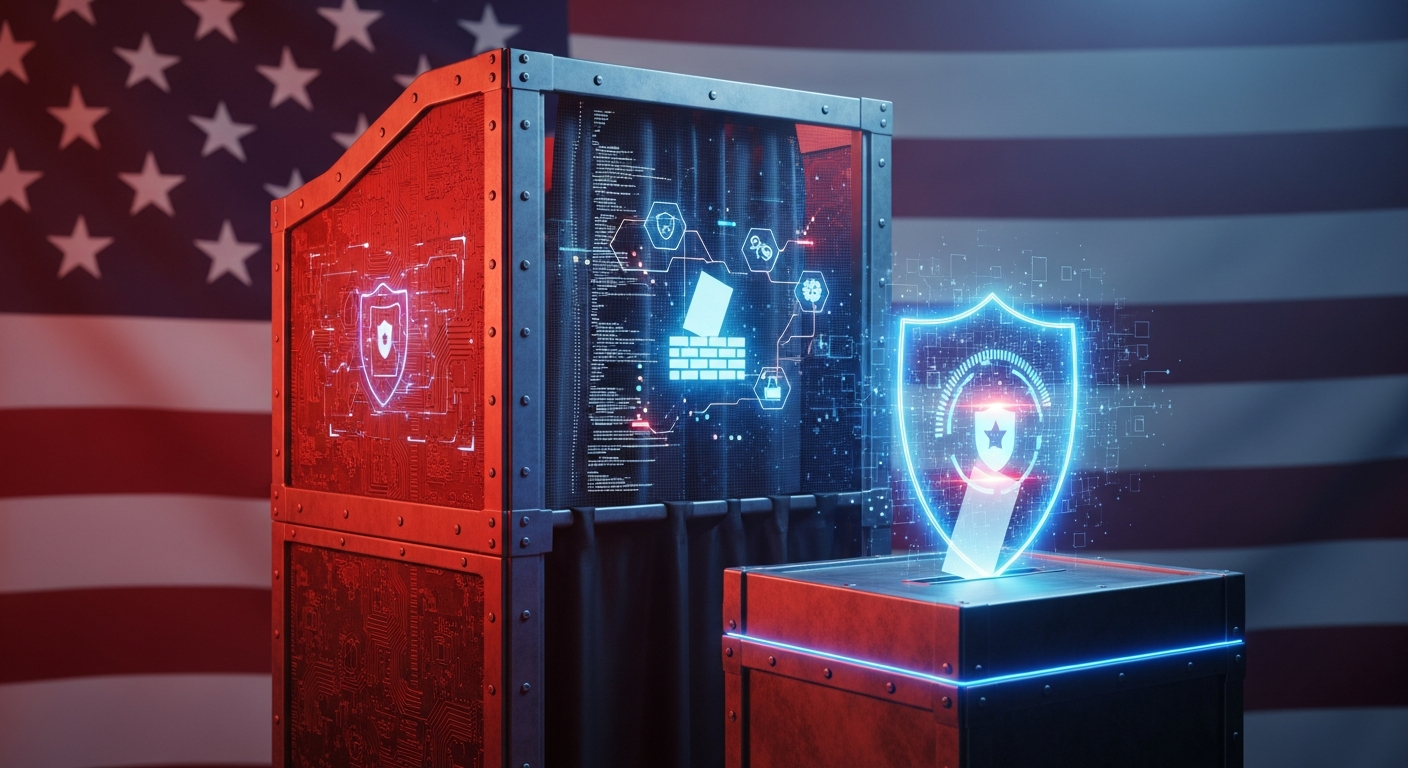
Why Midterm Elections Determine America's Response to Global Threats
Sarah Mitchell
Conservative Contributor
Quick question: When you think about the 2026 midterm elections, what issues come to mind?
Probably inflation. Maybe healthcare. Immigration. Abortion. The usual domestic stuff that dominates political debates.
But here's what you're probably not thinking about: the candidates you elect to Congress will determine America's national security posture for the next decade.
That's not hyperbole. Congress controls the purse strings. Congress authorizes military action. Congress passes—or blocks—cybersecurity legislation, defense spending, technology policy, and sanctions enforcement. The people you send to Washington in November 2026 will make decisions that affect whether America is prepared for global threats—or caught off guard.
"Congress shall have Power... To raise and support Armies... To provide and maintain a Navy... To make Rules for the Government and Regulation of the land and naval Forces." — U.S. Constitution, Article I
The President gets the headlines, but Congress holds the real power on national security. Here's what your representatives actually decide:
1. Defense Budget
Congress appropriates every dollar the military spends. Want more ships to counter China in the Pacific? Congress has to fund them. Want better cybersecurity for critical infrastructure? Congress writes the check. Want to modernize the nuclear arsenal? Congress approves it—or doesn't.
In 2025, the defense budget was approximately $886 billion. How that money is allocated—between personnel, equipment, research, and cyber capabilities—determines whether America can deter adversaries or gets outpaced.
2. Technology Policy
Who controls semiconductors? Can Chinese companies buy American tech firms? What export controls prevent sensitive technology from reaching adversaries? These aren't White House decisions—they're congressional legislation.
The CHIPS Act, which funded domestic semiconductor production, passed Congress. Restrictions on TikTok? Congressional action. Rules governing AI development? Congress is writing them now. The tech race with China will be won or lost based on laws that Congress passes.
3. Oversight and Accountability
When the intelligence community fails—like missing Salt Typhoon for months—Congress investigates. When the military overspends or underperforms, Congress holds hearings. When agencies need reform, Congress passes the laws.
Effective oversight requires competent, focused members of Congress. If you elect people who don't understand cybersecurity, they can't ask the right questions. If you elect people who prioritize partisan theater over substance, problems don't get fixed.

The China threat isn't something the President can handle alone. It requires sustained, coordinated action across multiple domains—and that means Congress.
Economic competition: Trade policy, tariffs, sanctions enforcement, investment screening—all require legislation. The Committee on Foreign Investment in the United States (CFIUS) reviews Chinese acquisitions of American companies, but its authority comes from Congress.
Military deterrence: Can we defend Taiwan if China invades? The answer depends on how many ships, aircraft, and missiles we have—and Congress funds all of them. The Taiwan Relations Act requires congressional action to provide defense articles to Taiwan.
Cybersecurity: After Salt Typhoon compromised telecom networks, the question is: what's next? New requirements for critical infrastructure protection? Liability for companies that fail to secure networks? Congress decides.
Technology independence: Reducing dependence on Chinese manufacturing, especially for critical components, requires industrial policy. Tax incentives for domestic production. Research funding. Workforce development. All congressional.
The point is: there's no escaping Congress if you care about the China challenge. The Executive branch can set priorities, but Congress provides the tools.
Here's the uncomfortable truth: most congressional candidates don't know much about national security. They run on local issues, partisan identity, and name recognition. China policy isn't exactly a campaign staple.
But it should be. And as a voter, you can make it matter.
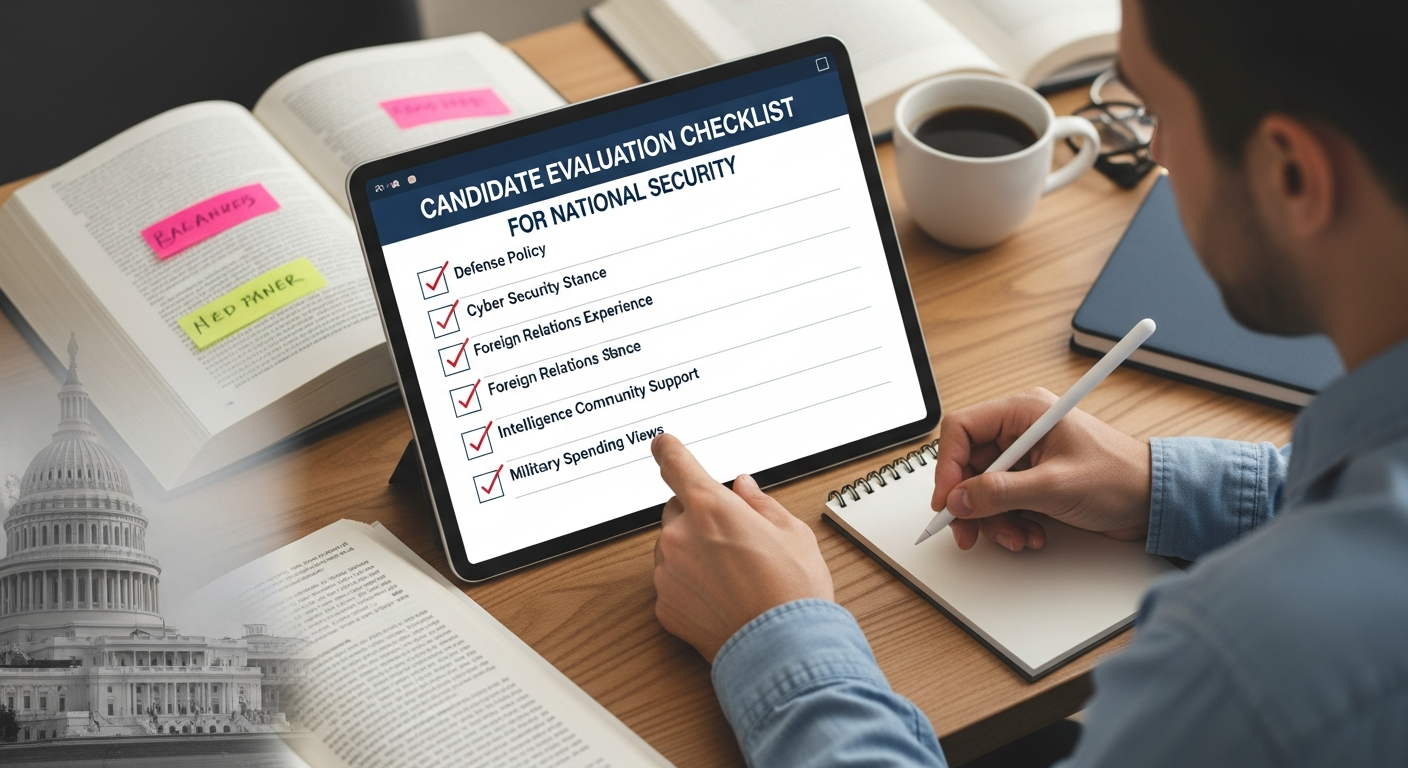
When evaluating 2026 candidates, ask:
1. Do they understand the threat landscape?
Can they articulate what China is doing? Do they know about Salt Typhoon, Volt Typhoon, and the 2027 Taiwan timeline? Or do they just repeat talking points without substance?
2. What's their position on defense spending?
Do they support adequate funding for military modernization and cybersecurity? Or do they treat defense as a budget to cut? Where would they prioritize within the defense budget?
3. How do they approach technology policy?
Do they understand semiconductors, AI, and critical technology supply chains? Do they have a coherent view on tech competition with China?
4. Will they conduct serious oversight?
Are they interested in holding agencies accountable, or just in generating clips for cable news? Do they have the expertise to ask good questions?
5. Can they work across the aisle?
National security historically has been bipartisan. Can this candidate build coalitions to pass legislation? Or will they add to gridlock?
Not every candidate will score well on all these dimensions. But some will score better than others—and those are the ones who should earn your vote if you care about America's security.
Voter turnout in midterm elections is always lower than presidential years. In 2022, about 47% of eligible voters showed up. That means more than half the country didn't vote—and let a minority of citizens decide who runs Congress.
For young voters, the numbers are even worse. Turnout for 18-29 year-olds in midterms often hovers around 30%. That's pathetic—and it means older voters dominate the outcome.
The decisions Congress makes affect young people the most. If there's a conflict with China, it's young people who serve. If the economy tanks due to poor policy, it's young people starting careers. If infrastructure gets attacked, it's young people living with the consequences for decades.
But if young people don't vote, Congress doesn't care about them. Politicians respond to voters. Non-voters get ignored. It's that simple.
The 2026 midterms are a chance to change that. Show up. Vote for candidates who understand national security. Make your voice heard on issues that will shape your future.
"Young voters are shaping the 2026 election. The question is whether enough of them show up to make a difference."
Here's your action plan for making your 2026 vote count on national security:
1. Register now. Don't wait. Go to vote.gov, check your registration, update it if needed. Set a calendar reminder for registration deadlines.
2. Research your candidates early. Don't wait until the week before the election. Look up who's running for House and Senate in your district/state. Find their positions on defense, China, and technology.
3. Vote in primaries. Primaries often have even lower turnout than generals—which means your vote has more impact. If you want better candidates, help choose them in the primary.
4. Ask the hard questions. If you attend town halls or campaign events, ask about national security. "What's your plan for responding to Chinese cyber threats?" "How would you vote on Taiwan support?" Make them answer.
5. Get your friends to vote. Make it a group activity. Set up a voting plan with friends. Hold each other accountable. The more young voters show up, the more politicians have to care about your issues.
The 2026 midterms aren't just about partisan control of Congress. They're about whether America has the leadership, the resources, and the strategy to navigate an increasingly dangerous world.
China is rising. Cyber threats are escalating. Critical infrastructure is vulnerable. The officials you elect will determine how we respond—with strength or with stumbling, with competence or with gridlock.
This isn't abstract. These are decisions that will affect your life, your safety, and your country's future. And you get a vote.
Don't waste it on ignorance. Don't skip it out of apathy. Don't let someone else decide for you.
Your 2026 vote is a national security decision. Make it count.
Show up or shut up. America's future is on the ballot.
Show Up or Shut Up — the uniform for people who actually participate.
Shop the GearJoin our newsletter for weekly culture war updates, conservative commentary, and truth bombs the woke mob doesn't want you to see.
Want to go deeper? These books cover the ideas behind this article. We earn a small commission if you buy through these links — at no extra cost to you.
Congress threatens another shutdown over the same budget fights they have every October. It's not about fiscal responsibility—it's political theater.

Chinese hackers breached US telecom networks and critical infrastructure. This isn't future war—it's happening now. Here's why elections determine our response.

We hate each other more than we hate our enemies. 74% of Americans feel the country is splitting apart. Our division is China's greatest strategic advantage.
Make a statement at the polls. Every purchase funds more voter guides and tools like this one.
Shop the Cause →Get the exact deadlines, ID rules, and key races for the state where you\'re registered to vote.
See All 50 StatesThe 2026 midterms determine control of Congress, which directly affects defense spending, intelligence oversight, foreign policy, and national security strategy. The Senate confirms national security appointments including the Secretary of Defense, Secretary of State, and CIA Director. House committees investigate and shape cybersecurity policy.
The Senate must confirm all ambassadors, Cabinet members (Defense, State, Homeland Security), and federal judges. It ratifies treaties and provides advice and consent on major foreign policy decisions. A Senate with a 51-49 split can be changed by a single seat, dramatically altering national security direction.
All spending bills originate in the House. The House Appropriations Committee sets the Defense budget, determines funding levels for weapons systems, troop levels, cybersecurity, and intelligence operations. The House can increase, decrease, or condition defense funding based on policy priorities.
Key issues include: responding to Chinese military expansion in the Indo-Pacific, NATO defense spending commitments, cybersecurity legislation after major breaches, AI military applications regulation, defense budget priorities, and policy toward Russia, Iran, and North Korea.
Review their stated positions on defense spending, alliances (NATO, alliances in Asia), cybersecurity, and military intervention. Look for experience on relevant committees, co-sponsorship of defense legislation, and whether they've spoken publicly on security issues. Nonpartisan sources like the Council on Foreign Relations provide candidate comparisons.